
Search South Carolina Arrest Records-Arrests.org SC
Accessing South Carolina criminal records is easier than you might think, thanks to the Freedom of Information Act (FOIA) and South Carolina’s legislation. However, navigating through the wealth of information available can be daunting if you’re unsure where to begin.
Extensive Database Access
Whether you’re searching for arrest records, mugshots, criminal histories, or conducting background checks, there are ample resources available. From probation and parole information to warrant statuses, prisoner records, and nearby sex offender registries, this guide will direct you to the pertinent information you seek.
By Attorney Robert Bailey Jr
This guide is authored by Attorney Robert Bailey Jr, a legal professional with a Juris Doctorate in Law from Widener University School of Law. With his expertise and experience as a Licensed Attorney, you can trust the reliability and accuracy of the information provided.
Click Here to Search this form: https://southcarolina.recordspage.org/arrest-criminal-records/
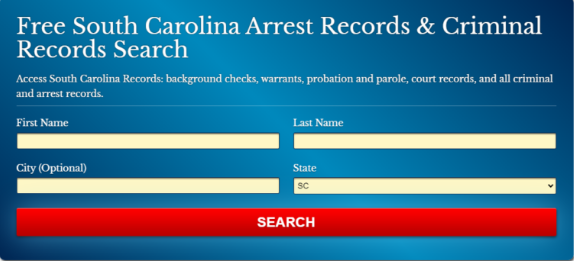
Accessibility of Criminal and Arrest Records in South Carolina
Public Accessibility: Criminal and arrest records in South Carolina are generally accessible to the public, in compliance with both federal and state laws. However, locating these records can prove challenging without proper guidance.
Online Databases: South Carolina offers accessible online search databases through various government agencies, facilitating the retrieval of individuals’ criminal or arrest records. Utilizing these databases can simplify the process of finding pertinent information.
Direct Communication: Individuals seeking information regarding someone’s incarceration status or recent arrests can leverage these online tools or directly contact state and local agencies through phone or in-person visits for inquiries.
Access Exemptions: Despite the public availability of records, exemptions exist under federal and state laws dictating the circumstances and types of information that can be released from arrest and criminal records.
Distinct Custodians: It’s crucial to recognize that criminal and arrest records are managed by different custodial entities. Therefore, accessing each type of record may require distinct procedures. Arrest records are typically obtained from law enforcement agencies.
Availability Restrictions: While criminal records can be accessed through state agencies or courts, certain limitations may apply. For a comprehensive search of publicly available records, including marital records, reference South Carolina’s public records search guide.
Sealed and Expunged Records: Notably, South Carolina imposes restrictions on accessing sealed or expunged records, as mandated by state laws. Juvenile records and those expunged or sealed are examples of records not accessible to the public.
Inaccessibility of Sealed or Expunged Records: Sealed or expunged records are not searchable publicly, as they are deemed to cease existence once sealed or expunged. Further details on expungement processes can be explored in subsequent sections.
Understanding the Difference Between Criminal Records and Arrest Records in South Carolina
Arrest Records: When someone is arrested or charged with a crime in South Carolina, an arrest record is created, typically available immediately. These records contain:
- Name
- Sex
- Date of Birth
- Physical Descriptions (hair colour, eye colour, height, weight)
- Date of Arrest
- Current Address
- Charges
- Arresting Agency
- Case Number
- Case Disposition
- Sentence Length and Start Date
- Bail Amount
Criminal Records: Criminal records in South Carolina provide comprehensive information on an individual’s legal history, starting from the initial arrest to the final court disposition. They include:
- State Identification Number
- Name
- Age
- Ethnicity/Race
- Sex
- Physical Descriptions (hair colour, eye colour, height, weight)
- Date of Birth
- Date of Admission
- Current Facility
- Docket Number
- Date Booked
- List of All Offenses
- Minimum Sentence
- Maximum Sentence
- History of Incarceration
- Mugshot
- Alias(es)
How to Perform a Free Search for Arrest Records in South Carolina
- Getting Started: Determining where to initiate your search hinges on the agency responsible for the arrest (e.g., police department) and the location of incarceration (e.g., county jail, state prison). Begin by compiling pertinent information about the individual you wish to locate in jail.
- Collecting Information: The more data you gather, the better your chances of a fruitful search. When seeking details about someone’s arrest in South Carolina, the individual’s full name (unless exceedingly common) typically suffices to access arrest records.
- Exploring Alternative Search Methods: Lack of a name doesn’t necessarily impede your search progress. Some search engines accommodate input of additional descriptive details. Additionally, certain local agencies offer searchable jail rosters. Although time-intensive, manual searches afford comprehensive exploration of an individual’s arrest history.
- Contacting Law Enforcement: In cases where online searches yield no results, law enforcement agencies or jails usually offer avenues to procure arrest records upon request.
- Top of Form
Guidelines for Contacting and Bailing Out an Individual in a South Carolina Detention Center
To commence the process, ascertain the specific detention centre where the individual is presently held. This information can often be acquired through an arrest or criminal record inquiry, utilizing the methods outlined below or by directly contacting the pertinent agencies.
Reaching Out to the Detention Center or Local Sheriff
Once you’ve pinpointed the detention centre, initiate contact with either the detention centre administration or the local sheriff’s office in the respective county. They will provide guidance on the necessary procedures for communicating with the incarcerated individual and expediting their release. It’s crucial to be aware of the detention centre’s specific communication policies, including any restrictions on visitation and phone hours.
Understanding Bail Alternatives in South Carolina
South Carolina offers two primary bail options for securing the release of an individual from detention:
- Cash Bail: Typically reserved for more serious offences, this entails paying the entire bail amount upfront.
- Surety Bail: This alternative allows you to remit a fee to a bondsman who will post bail on your behalf. Bondsmen may require collateral as a form of security.
Communicating with State Prisoners
If you need to contact an inmate in a state prison, The South Carolina Department of Corrections furnishes general information.
To place phone calls to an inmate, you must establish an account with Global Tel*Link Corporation. Presently, the rate for domestic calls within the United States is 5.5 cents per minute.
How to Access and Review South Carolina Criminal Records
When it comes to accessing criminal records in South Carolina, there are several avenues you can explore:
County Courthouses: Reach out to or visit the courthouse in the relevant county to request specific criminal records. Many counties also offer convenient online search tools for accessing criminal records.
South Carolina Judicial Branch Case Records Search: Utilize the SC Judicial Branch’s free online platform to search for criminal case records across all South Carolina counties.
South Carolina Department of Corrections: Explore the database of individuals incarcerated in South Carolina through the Department of Corrections website to access criminal records.
Conducting a Criminal Record Search Using South Carolina’s Judicial Branch Case Records Search
South Carolina offers a centralized platform for accessing a complimentary online search tool encompassing records from every county. No registration or sign-in is necessary to utilize these search resources. Simply select the county you wish to explore for criminal records.
Available Search Criteria
Users can conduct searches for criminal records based on various criteria including:
- Case number
- Court
- Name
- Action type
- Indictment number
- Specified date ranges such as from the filing of action, date of arrest, case filing date, date of disposition, or date of judgment entry
Initial Search Results
Upon initiating a search, users are provided with the following initial information:
- Name
- Case number
- Filing date
- Case status
- Disposition date
- Case type
- Court agency
Detailed Case Information
Upon selecting a specific case, users can access comprehensive details including:
- Arrest date
- Charges
- Sentencing date
- Address
- Descriptive information about the individual, such as race, sex, and date of birth
Additionally, users can review a chronological record of all events and hearings associated with the case, along with their outcomes.
Accessing Criminal Records through the South Carolina Department of Corrections (SCDOC)
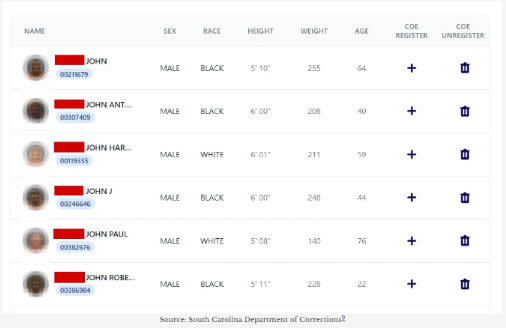
Search Criteria:
- Name of the Individual
- SCDOC ID
- State Identification Number
- Phonetic Match (distinct feature)
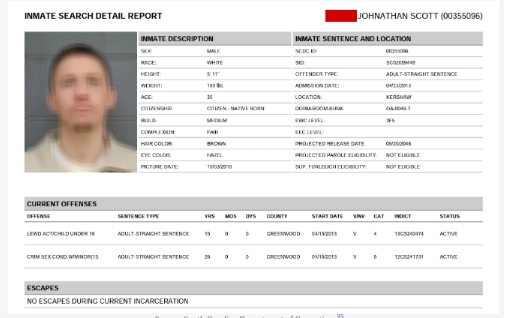
Information Available from the South Carolina Department of Corrections:
- Offender’s Name
- Gender
- Mugshot (with Capture Date)
- Age
- Date of Birth
- Nationality
- Race
- Height
- Hair Color
- Weight
- Eye Color
- Admission Date to the Institution
- Expected Release Date
- State Identification Number
- Disciplinary Actions
- Status (e.g., Incarcerated, on Probation, Parole)
- Current and Previous Incarceration Locations
- Current Offenses (including Sentence Type, Duration, County, Commencement Date, Indictment Number, and Status)
- How to Obtain Criminal Records in South Carolina
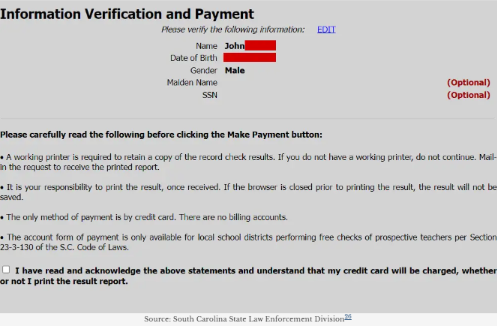
- In South Carolina, securing a copy of someone’s criminal record involves a straightforward process facilitated by the South Carolina Law Enforcement Division (SLED).
- Request Methods and Fee
- Acquiring a criminal history record check necessitates a $25.00 non-refundable fee, irrespective of the method chosen.
- Online Request: To obtain your criminal record online, navigate to the designated website and adhere to the provided instructions.
- Mail Request: Alternatively, submit a Criminal Records Check Form along with a self-addressed stamped envelope to:
- SLED Records Department PO Box 21398 Columbia, South Carolina 29221
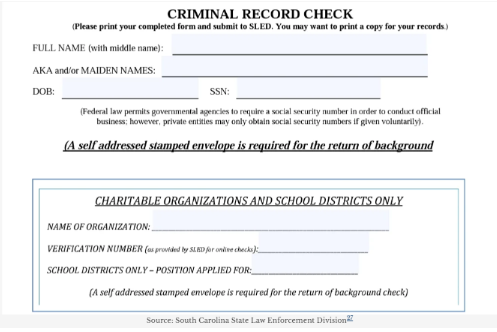
- Requesting Criminal Records from SLED
- When seeking criminal records from SLED, accurate details including the individual’s exact birth date and name are imperative to ensure the desired records are received.
- County-Level Requests
- For county-level requests, individuals must liaise with the courthouse or local law enforcement agency to ascertain the specific process for obtaining a copy of a criminal record.
- Rules for Requesting Criminal Records
- At both state and local levels, there are stringent regulations governing the acquisition of another person’s criminal records.
- For example, if seeking records for professional purposes, it is mandatory by law to obtain the individual’s consent. Whether conducting employee background checks or screening potential tenants, securing consent prior to requesting South Carolina criminal records is essential.
- Top of Form
Finding Individuals on Probation or Parole in South Carolina
Understanding Probation and Parole Probation and parole are forms of supervision for individuals convicted of crimes in South Carolina. Probation is typically for misdemeanour offences, while parole is for more serious crimes, such as felonies. Both involve release under certain conditions and ongoing supervision.
Statistics on Probation and Parole Data show the total number of probationers and parolees in South Carolina, compared to other states. Additionally, it provides insights into the ethnicities of individuals under community supervision in the state.
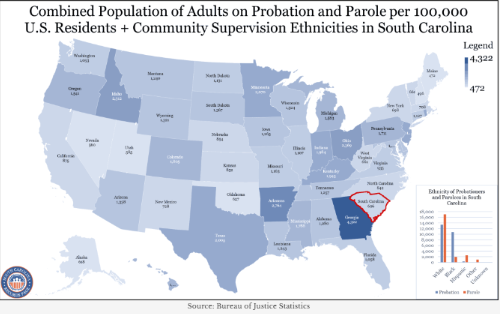
Accessing the Probation and Parolee Database in South Carolina South Carolina offers a probation and parolee database through the Department of Probation, Parole, and Pardon Services. This database allows for searches using various criteria such as name, state identification number (SID), birth year, county, and more. Results include information on supervision type, dates, SID, name, age, gender, race, main offence, and sex offender registry status.
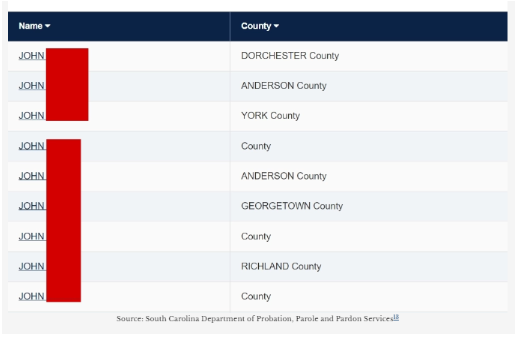
Search Options in South Carolina:
- First and Last Name
- State Identification Number (SID)
- First or Last Name and Year of Birth
- County and SID, First Name, or Last Name
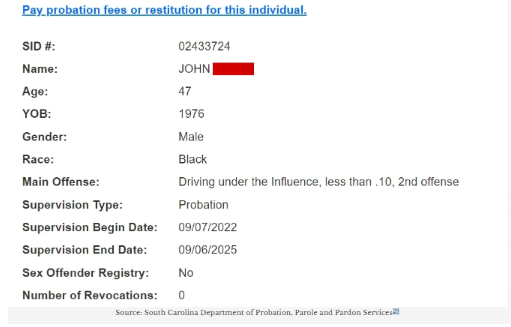
Supervision Search Tool Details: Upon a successful search, details provided include SID, name, age, date of birth, gender, race, main offence, and sex offender registry status.
Contact Information: For further inquiries, contact the Department of Probation, Parole, and Pardon Services directly at 803-734-9220.
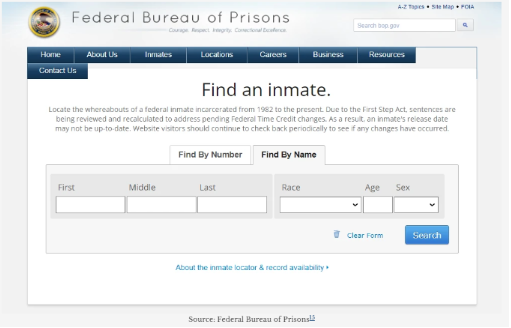
Federal Bureau of Prisons Inmate Search: While not specific to parole, the Federal Bureau of Prisons offers a search tool indicating recent releases from federal prisons. A recent release suggests the individual may be on parole.
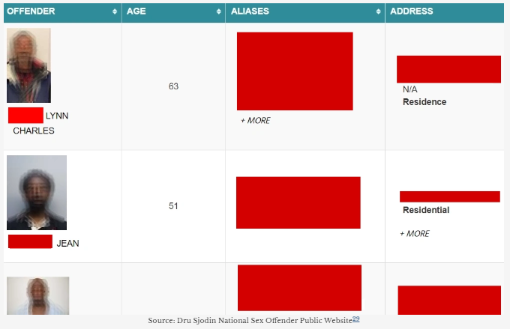
Obtaining Information on Probation/Parole Status for Sexual Offenders: To access information on the probation or parole status of individuals convicted of sexual crimes, use the U.S. Department of Justice National Sex Offender Registry. This tool allows searches by name or location, providing information on convicted sex offenders.
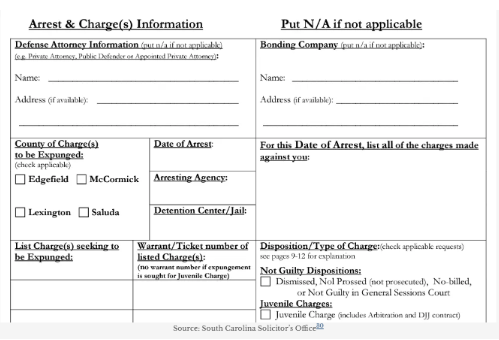
Guide to Expunging or Sealing a Criminal Record in South Carolina
In South Carolina, the process of expunging or sealing a criminal record involves obtaining an Order for Destruction of Arrest Records from the court. Here are key points to consider when seeking to clear your criminal record in the state:
Submitting Your Application
- Applications for expungement should be submitted in the county where the arrest record originated.
Timeframes for Application
- Different timeframes apply depending on the disposition of the charge. Immediate application is possible for cases that were dismissed, not prosecuted, or similarly resolved.
Duration of the Process
- Expungement is not a swift process and may take up to 6 months to complete.
Cost of Expungement
- Expect to pay a minimum administrative fee of $250 for expunging a conviction. Additional verification and filing fees may apply based on the offence.
Ineligible Convictions
- Convictions for violent crimes and certain traffic violations cannot be expunged.
Considerations Regarding Expungement and Criminal Records
It is crucial to understand that expungement entails the removal of criminal records by government agencies. However, non-government entities may still retain this information, requiring direct communication to update them on the expungement status.
Top of Form
How to Locate Inmates in South Carolina State Prisons or Federal Penitentiaries
To determine the whereabouts of an inmate in a South Carolina state prison, the SC DOC Offender Search tool is the initial step. This search feature enables users to locate individuals incarcerated in any state prison within South Carolina. Utilizing either the inmate’s name or identification number (e.g., South Carolina Department of Corrections ID and State Identification Number), users can access information regarding the inmate’s current location. Additionally, the SC Department of Corrections provides detailed information such as the inmate’s dorm, room, and bunk.
For federal prison inmates, a visit to the Federal Bureau of Prisons (BOP) website is necessary. Through the inmate name search function, users can ascertain the inmate’s location. To refine search results, users may input additional details such as the inmate’s race, age, sex, or assigned inmate number (e.g., FBI number, BOP Register Number).
How to Verify Active Warrants in South Carolina
Unlike some states, South Carolina does not offer a centralized database for individuals with active warrants. However, certain counties provide online warrant search tools. For instance, Sumter County and Charleston County offer platforms to check for warrants within their jurisdictions.

For comprehensive warrant information, refer to our guide on accessing public information in Charleston County. This resource not only includes online search tools for warrant details but also provides guidance on accessing various public records, including probation, arrest, and court documents.
Furthermore, the South Carolina Law Enforcement Division (SLED) offers a list of wanted persons, including links to individual counties’ most wanted lists.
Federal Warrants Issued by the U.S. Marshal
The U.S. Marshal is responsible for issuing federal warrants. However, federal warrant searches are not accessible to the general public.
Accessing Federal Warrant Information via the Warrant Information System (WIN)
The Warrant Information System (WIN) grants access to federal warrant information, but this privilege is restricted to law enforcement personnel and individuals requiring such data for official purposes.
Understanding Background Checks in South Carolina
Background checks serve crucial roles in both personal and professional spheres, ensuring safety, compliance, and informed decision-making. In South Carolina, like in many other states, these checks are integral to various processes, from employment screenings to personal inquiries.
Professional Background Checks
Employers in South Carolina conduct professional background checks to verify applicant information and identify potential concerns. These checks adhere to federal regulations such as the Fair Credit Reporting Act (FCRA) and guidelines from the Equal Employment Opportunity Commission (EEOC).
Personal Background Checks
Individuals in South Carolina have options for personal background checks, including accessing arrest and criminal records through freely available search tools. For official checks, one can request a criminal history record check from the South Carolina Law Enforcement Division (SLED). Alternatively, a comprehensive Identity History Summary Check can be obtained from the Federal Bureau of Investigation (FBI).
Important Considerations
While personal background checks lack many restrictions, it’s crucial to use the information ethically and legally, respecting privacy rights and avoiding unlawful purposes.
Exploring the South Carolina Sex Offender Registry
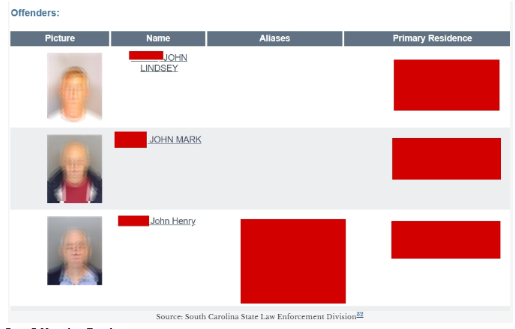
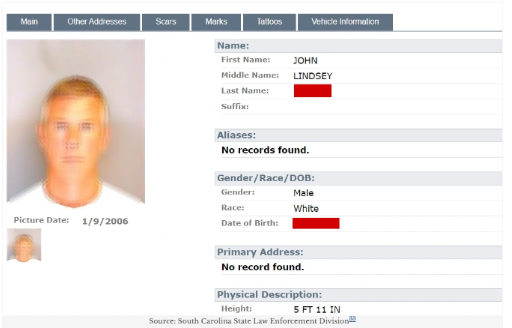
In South Carolina, individuals can access comprehensive records and pertinent details of sex offenders through the state’s Sex Offender Registry. This vital resource, designated as a reference point facilitates seamless searches to retrieve crucial information.
Conducting Searches
The registry offers a user-friendly search feature enabling individuals to pursue inquiries based on either the offender’s name or geographical location. Geographically-driven searches afford the option to filter results based on proximity to a specified address, enhancing convenience and precision in obtaining relevant information.
Comprehensive Data Available
Information accessible through the South Carolina Sex Offender Registry encompasses a wide array of pertinent details, ensuring transparency and thoroughness in the search process. Key elements include:
- Personal Identifiers:
- Names and aliases provide comprehensive identification.
- Gender and race serve to further specify the individual’s profile.
- Date of birth offers insight into the offender’s age and relevant timelines.
- Visual Documentation:
- Mugshots offer visual identification aiding in recognition.
- Physical descriptions, including height, weight, hair color, and eye color, further enhance the visual profile.
- Residential History:
- Addresses, spanning primary, employment, school, and additional locations, provide insight into the offender’s residential footprint.
- Physical Attributes:
- Scars, marks, and tattoos serve as distinctive identifiers, aiding in accurate identification.
- Offense Details:
- Comprehensive records of offenses, including conviction dates, state, and statutes, offer insights into the nature and severity of the crimes committed.
- Vehicle Information:
- Make, model, color, and license plate numbers of vehicles associated with offenders provide additional details for identification purposes.
National Sex Offender Registry Access
Alternatively, individuals may opt to access the National Sex Offender Registry administered by the United States Department of Justice. This nationwide registry encompasses sex offenders across the United States, offering a broader scope of search capabilities.
Important Considerations
It’s crucial to note that the National Sex Offender Registry specifically focuses on individuals convicted of sexual crimes, distinguishing it from general felony registries. Understanding these distinctions ensures clarity and accuracy in accessing relevant information.
Navigating Legal Frameworks
Understanding laws pertaining to criminal records and arrest records is essential for navigating the complexities of the justice system. Familiarity with legal frameworks empowers individuals to make informed decisions and uphold their rights effectively.
Understanding Criminal and Arrest Records in South Carolina
In both South Carolina and at the federal level, individuals possess the fundamental right to access their arrest and criminal records. While certain exemptions exist under state and federal law, the majority of these records remain accessible to the public.
Legal Use and Restrictions
It’s important to note that there are strict regulations governing the utilization of these records. It is illegal to exploit them for criminal activities, such as coercion or blackmail. Individuals cannot employ someone else’s criminal records for nefarious purposes.
Moreover, there are stringent guidelines concerning the use of criminal records in professional background checks. While these checks are commonplace, adherence to specific state regulations and requirements outlined by the Equal Employment Opportunity Commission (EEOC) and the Fair Credit Reporting Act (FCRA) is mandatory.
Seeking Expungement: A Path to Clean Slate
For individuals concerned about the ramifications of their criminal or arrest records, the option of seeking expungement exists. Depending on the nature of the offence, individuals may petition for expungement, which can provide a fresh start and limit access to their criminal records by entities such as prospective employers.
Exploring Access Options
In summary, there are various avenues to access arrest and criminal records in South Carolina:
County Jail or Sheriff’s Inmate Look-Up Tool: Utilize these resources or contact the respective authorities for assistance in locating arrest records.
Judicial Branch’s County Court Case Search Tools: For accessing criminal records, utilize the county court case search tools provided by the judicial branch.
South Carolina Department of Corrections Offender Search: Explore the offender search feature provided by the South Carolina Department of Corrections to access criminal records.
By navigating these channels effectively, individuals can access pertinent information while adhering to legal protocols and safeguards.
FAQS
How can I obtain South Carolina arrest and criminal records for free?
Accessing South Carolina arrest and criminal records without incurring any fees typically involves utilizing online resources provided by government agencies. You can leverage platforms such as the county jail or sheriff’s inmate lookup tool, the judicial branch’s county court case search tools, and South Carolina’s Department of Corrections offender search database. These resources offer valuable information regarding arrests and criminal records in the state.
Are there any eligibility restrictions for accessing these records for free?
Generally, South Carolina arrest and criminal records are open to the public without specific eligibility requirements. However, it’s important to note that certain sensitive information may be restricted or redacted in compliance with state and federal privacy laws. Additionally, records that have been sealed or expunged may have limited accessibility.
Can I utilize these records for employment or other purposes?
Yes, you can utilize South Carolina arrest and criminal records for legitimate purposes such as employment background checks, rental applications, or personal research. However, it’s crucial to abide by the regulations outlined by the Equal Employment Opportunity Commission (EEOC) and the Fair Credit Reporting Act (FCRA) when utilizing these records for employment-related decisions.
How do I request an expungement of my South Carolina criminal records?
To initiate the process of expunging your South Carolina criminal records, you can reach out to the relevant authorities or seek legal counsel for guidance. Eligibility criteria for expungement vary depending on factors such as the nature of the offence and your individual circumstances. Expungement offers a fresh start and can prevent others, including potential employers, from accessing your criminal records.
Is there a national database for South Carolina arrest and criminal records?
While there isn’t a national database specifically dedicated to South Carolina arrest and criminal records, the United States Department of Justice maintains a national sex offender registry covering sexual offences across the country. However, it’s essential to note that this registry may not encompass all criminal records and focuses primarily on sexual crimes. For accessing South Carolina-specific records, it’s advisable to utilize the state’s official resources as mentioned earlier.